how to stop people pleasing: 6 tactics, from finding the root to a default no
“I will determine the line. You will not determine the line for me.”
the short version
paste any long episode into Podex and get the tactics, each with one concrete step, in a few minutes. that is how this list was built.
the six tactics
find the root, then thank the old habit: Dr. Gabor Maté on The Tim Ferriss Show
8 tactics in ~144 minutes (8624s). 6.9M views on YouTube, per the Podex page. Maté is a physician who worked for years with addiction in Vancouver's Downtown Eastside. this play is tactic 05, Find Where You Traded Authenticity For Attachment, plus tactic 03, Thank The Stupid Friend, Then Let It Go.
Maté's frame, on the transcript: we have two needs. attachment, being close to the people who keep us alive, and authenticity: "Just knowing what we feel and being able to act on it." both are "a survival need" in his words. his example is a 2-year-old whose anger scares the parents. the child learns that anger costs love, and his question is the whole bind: "But what happens if your authenticity threatens your attachment relationships?" the child drops the feeling. our read: that is where a lot of pleasing starts.
the tactic: thank the habit, then retire it. Maté does not want you to hate it. he calls an old coping habit "the stupid friend": it helped once and cannot tell it stopped working. "Instead of helping, now, it's hurting." ask a real question, not a verdict: I wonder why I did this? his line on a friend's approach: "thank it, love it, but let go of it".
try this week: each evening, write down one yes you did not mean. next to it, write what you were afraid would happen if you said no. then one line of thanks to the habit, and one thing you would say now.
Gabor Maté, The Tim Ferriss Show
Ask Why The Pain, Not Why The Addiction
Ask what relief a behavior gives instead of why it happens.
Gabor Maté says
Instead of asking why the addiction, the question becomes why the pain. When people are asked what the addiction does for them, they describe it as something that numbs, soothes the pain, makes them feel connected with others, gives a sense of control, or gives inner peace. Asking why the pain instead of why the addiction leads to an examination of that person's life rather than looking just at their brain chemistry.
Try this
For one disliked behavior, ask yourself what relief it gives you instead of asking why you keep doing it.

read your resentment: Jordan Peterson on The Tim Ferriss Show
8 tactics in ~80 minutes (4807s). 3.2M views on YouTube, per the Podex page. Peterson is a clinical psychologist who spent years in private practice. this play is the free tactic 01, Consult Your Resentment.
people pleasers often do not feel the anger in the moment. it comes later, as a slow burn. Peterson treats that feeling as data, on the transcript: "Resentment tells you one of two things." either someone is stepping on your territory and you need to act, or you need to grow up and stop complaining. it is not always obvious which one, so you have to work it out.
the tactic: treat resentment as a to-do list. "If you're resentful, there's probably something you need to say." when it keeps coming back, he says the likely cause is that "either you're not standing up for yourself sufficiently or someone is legitimately on your case". both are fixable. what does not work is carrying it: he says you can hold resentment for a very long time, and all it does is hurt you.
try this week: each time you feel that slow burn after saying yes, write down who it was about and what you wish you had said. on friday, pick one and decide: say it, or let it go for good.
Jordan Peterson, The Tim Ferriss Show
Consult Your Resentment
Notice your resentment and decide if a boundary is crossed or you need to grow up.
Jordan Peterson says
Resentment is a bad emotion but it is useful, you can learn a lot by noticing that it occurs. It tells you one of two things, either someone is treading on your territory and something needs to be done about it, or you need to grow the hell up and stop complaining. It is not always obvious which of those it is, but you need to figure it out. You can harbor resentment for unlived life for a very long time, and all it does is corrupt you, it hurts you physically because it is a stressful emotion.
Try this
Next time you feel resentment, ask whether someone is crossing a boundary or whether you need to grow past it, and act on the answer.

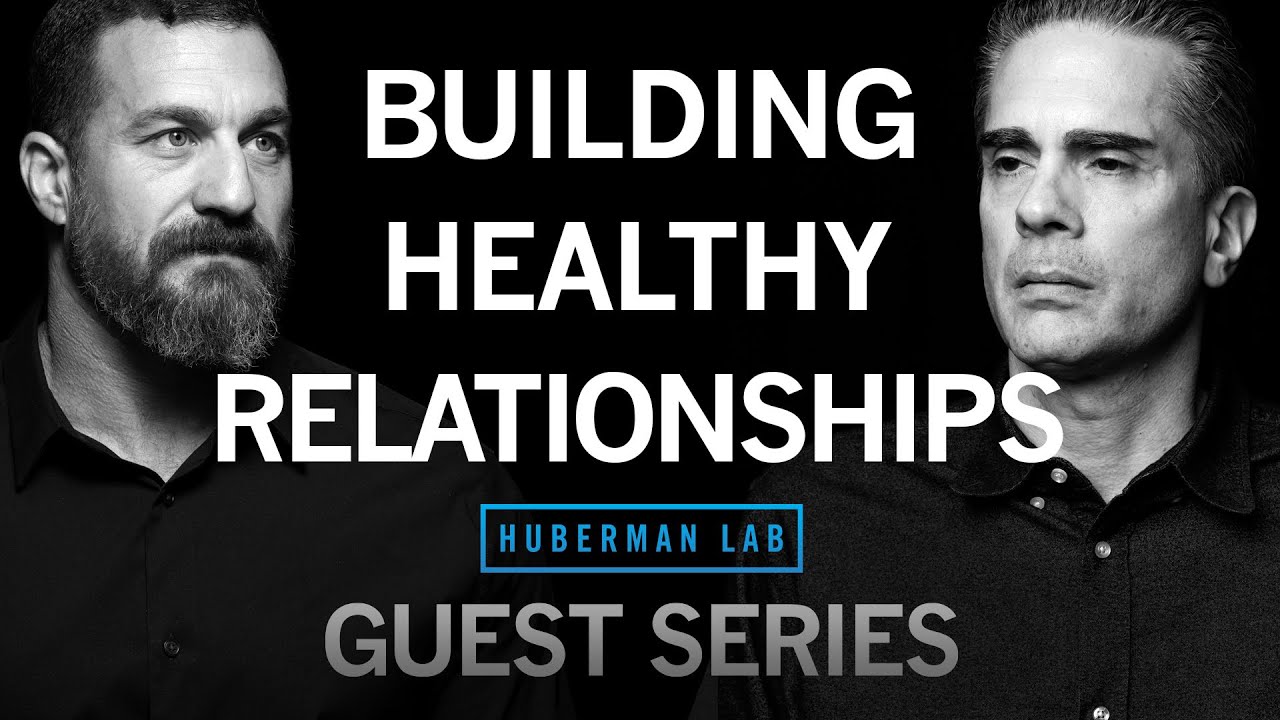
check the boundary inside, then say it kindly: Dr. Paul Conti on Huberman Lab
13 tactics in ~185 minutes (11077s). 1.4M views on YouTube, per the Podex page. Conti is a psychiatrist trained at Stanford and Harvard. this play is tactic 04, Validate The Boundary Inside Before You Say It Out Loud.
Conti's rule, on the transcript: "healthy boundaries always start inside." his example is a friend you like a lot who walks into your house without knocking. a pleaser's first thought is: is something wrong with me for minding? Conti says to stop and answer it for yourself first. often the answer is: "There's not something wrong with me. It's not that I'm being a jerk. It's not that I'm being a bad friend."
the tactic: get clear first, then say it with care. he warns against the blunt version, "Hey man, don't come in the front door anymore," which he calls "not so good." what works is warmth plus the ask: "Yeah, look, I care about you and I trust you", then the request. if the other person says sorry, great. if they get angry, you have learned something about them, not about you: "you're seeing signs of unhealth in the other person."
try this week: pick one small thing a friend, colleague or family member does that bugs you. write down why it is okay for you to mind it. then say it once in one sentence: what you value about them, then the ask.
set the line yourself: Brené Brown on The Tim Ferriss Show
8 tactics in ~80 minutes (4778s). 1.3M views on YouTube, per the Podex page. Brown is a research professor at the University of Houston who studies courage, vulnerability and shame. this play is tactic 03, Set The Line Yourself.
Brown admits she is not immune to what people think. on the transcript: "I'm a tough person, but I get my feelings hurt." what changed things for her was deciding who sets her standards. her example is her health: some people tell her to lose weight, others say the opposite. "I don't care what you think on either side." she knows what she needs and sticks to that.
the tactic: move the line inside. her words: "I will determine the line. You will not determine the line for me." she calls it a midlife shift that took her about five years. "the day I reclaimed that line as internally set, not externally set, was a huge changer for me." it does not mean you stop feeling the hit. she also says she once did not understand "that I could be brave and afraid at the same time."
try this week: pick one area where other people's opinions steer you, like your work, your body or your free time. write your own line for it in one sentence, then for seven days check your choices against your line, not theirs.

make no your default: Dr. Sahar Yousef on The Diary of a CEO
12 tactics in ~135 minutes (8094s). 2.1M views on YouTube, per the Podex page. Yousef runs the Becoming Superhuman Lab at UC Berkeley. this play is tactic 06, Adopt A Default No.
host Steven Bartlett names it, on the transcript: there is "so much social pressure to respond quickly, to say yes, to take the meeting". his guess is that the most focused people "have to develop a muscle against people pleasing". Yousef agrees and points at her husband. "I'm a default yes person", she says, and "he's a default no person."
the tactic: start from no, then let the yes earn its place. she says he protects his resources, and "his most precious resource is his time, his time and his attention." speaking for him about a skipped meeting, she says some may be disappointed, but over time they find his input was not needed: "They were just fine without me." the time went to work that mattered more. she runs a company with him and says one of each at the top makes a good balance.
try this week: for every new request, answer with a pause, like I will get back to you tomorrow. then only say yes if it beats what you would do with that time instead. count your yeses on friday.

stop shopping for permission: Shaan Puri on Modern Wisdom
11 tactics in ~98 minutes (5889s). 108K views on YouTube, per the Podex page. Puri built and sold a company and co-hosts My First Million. this play is tactic 07, Ask Yourself What Permission You Are Seeking.
Puri retells a lesson a mentor taught him through the Iron John fable: there are good boys, wild men and great kings. "A good boy is a pleaser." the good boy does what is expected and never asks if it is what he wants. the story is about men, but the pattern fits anyone. a related habit he describes, on the transcript: asking five people for advice when you already know the answer. "They don't want information. They want a short-term loan on courage."
the tactic: name the permission, then give it to yourself. his advice: "it's actually worth asking yourself instead of asking others for advice, what permission am I seeking?" in his examples: permission to fail, to look like a fool, to be alone. "We often know in our heart, which direction we're called to go towards." support from others is still nice, he says. you just do not need to wait for it.
try this week: before you ask anyone for advice this week, write down the answer you are hoping to hear. if you already know it, write the permission slip yourself in one line, and act on it within 48 hours.

a one-week plan to stop people pleasing
pick by problem
you say yes before you even think: Dr. Gabor Maté.
the play: find where the habit started, thank it, then ask what it still does for you. [open on Podex](https://www.getpodex.com/episodes/tf-mate-trauma-addiction)
you say yes, then resent it for days: Jordan Peterson.
the play: treat the resentment as a sign there is something you need to say, then say it or drop it. [open on Podex](https://www.getpodex.com/episodes/tf-peterson-rules-for-life)
you feel like a bad friend for having limits: Dr. Paul Conti.
the play: confirm the boundary is okay with yourself first, then say it with warmth and one clear ask. [open on Podex](https://www.getpodex.com/episodes/dr-paul-conti-how-to-build-and-maintain-healthy-relationships-huberman-lab-guest)
other people's opinions set your standards: Brené Brown.
the play: write your own line for one area of life and check your choices against it. [open on Podex](https://www.getpodex.com/episodes/tfs-brown-vulnerability-armor)
your calendar is full of other people's priorities: Dr. Sahar Yousef.
the play: make no your default and let each yes earn its place against your own work. [open on Podex](https://www.getpodex.com/episodes/no-1-neuroscientist-reveals-how-to-unlock-superhuman-focus-perfect-memory-dr-sah)
you ask everyone for advice before you decide: Shaan Puri.
the play: name the permission you are seeking, then give it to yourself and act. [open on Podex](https://www.getpodex.com/episodes/9-harsh-truths-no-one-wants-to-admit-shaan-puri)
what this is not
every page above has more plays behind the free one: Maté's worst interpretation check, Peterson's don't hide things in the fog, Conti's me, you, us sequence, Brown's ask what you are unwilling to feel. tactics, not takeaways.
one summary, every tuesday.
the tactics that matter, each with a step to run. unsubscribe anytime.
FAQ
How do I stop people pleasing?
Start before the yes. Notice which yeses you do not mean and what you fear will happen if you say no. Then use your resentment as a sign of what you need to say, check a boundary with yourself before you say it, say it kindly in one sentence, and pause before you answer new requests so a no is possible.
Why am I a people pleaser?
Dr. Gabor Maté describes two needs we all have: attachment, being close to the people we depend on, and authenticity, knowing what we feel and acting on it. When a child's feelings seem to threaten closeness, the child gives up the feelings to keep the connection. Pleasing can grow out of that and keep running in adult life, long after it stopped helping.
What does Gabor Maté say about people pleasing?
On The Tim Ferriss Show, Maté talks about the conflict between attachment and authenticity: when being yourself threatens closeness, closeness wins. He calls a habit that once helped and now hurts the stupid friend, and suggests asking why you do something as a curious question, not a self-verdict.
How do I set boundaries without feeling guilty?
Dr. Paul Conti on Huberman Lab says healthy boundaries start inside. First answer for yourself whether it is okay to want the boundary, so you are not a bad friend for having it. Then say it with care: what you value about the person, then the ask. If they react badly, that tells you something about them.
How do I stop caring what people think?
You may not stop caring completely. Brené Brown says she still gets her feelings hurt. What changed for her was setting her own line instead of letting others set it. Shaan Puri adds a check: when you ask others for advice, ask yourself what permission you are really seeking, and whether you can give it to yourself.
How do I say no at work?
Dr. Sahar Yousef describes her husband as a default no person who protects his time and attention. When he skips a meeting, she says people find over time that they were fine without him, and he uses the time for work that matters more. Try answering new requests with a pause and only saying yes when it beats what you would do with that time.
What are the best podcast episodes about people pleasing?
Dr. Gabor Maté, Jordan Peterson and Brené Brown on The Tim Ferriss Show, Dr. Paul Conti on relationships and boundaries on Huberman Lab, Dr. Sahar Yousef on The Diary of a CEO, and Shaan Puri on Modern Wisdom.