How to Grow a YouTube Channel From Scratch: 6 Operator Tactics
“you have to start with the thumbnail and title before you even do the hook, before you even do the script, before you even have the idea.”
the short version
paste any long episode into Podex and get the tactics, each with one concrete step, in a few minutes. that is how this list was built.
the six tactics
win on topic, not production value: Sam on Trakyo Pod
9 tactics in ~99 minutes (5963s). 7K views on YouTube, per the Podex page. Sam joined Dan Martell as a teen video editor and grew into his creative director over nine years. this play is tactic 01, Win On Topic, Not Production Value. the episode has some swearing; we only quote clean lines.
Sam lists what people think grows a channel: editing, camera gear, lighting, hooks. then, on the captions: "the most important thing is topic." his first video over 100K views was a contrarian take on exactly that. his advice to anyone starting: "Literally go from zero followers and say a contrarian take in your market and get insane distribution." tactic 02 on the same page is his filter, the three T's: topic, title, thumbnail. "if I can't distill my idea into those three T's, then we're not going to make that video." and the team did not settle for the first idea: "We would come up with 10, 15, 20 ideas to make one video."
the tactic: spend your effort on what the video says. a sharp take shot on a phone beats a polished video nobody needed.
try this week: write down the most common belief in your niche. list ten ideas that push back on it with something you know. for each, write a topic, a title and a thumbnail idea in one line. only keep the ones that fit all three.
Sam, Trakyo Pod
Win On Topic, Not Production Value
Find one specific contrarian take on your niche's most common belief and shoot it on your phone before buying any gear.
Sam says
I rank topic above editing, camera gear, lighting, and hooks, even though all of those matter. I can shoot on my phone with a bad mic and still get huge views because of what I'm actually saying. I believe a contrarian, counterpositioned take in your niche, the purple cow idea, is what gets you distribution from zero followers.
Try this
Pick a genuinely contrarian take in your niche before worrying about gear or editing.
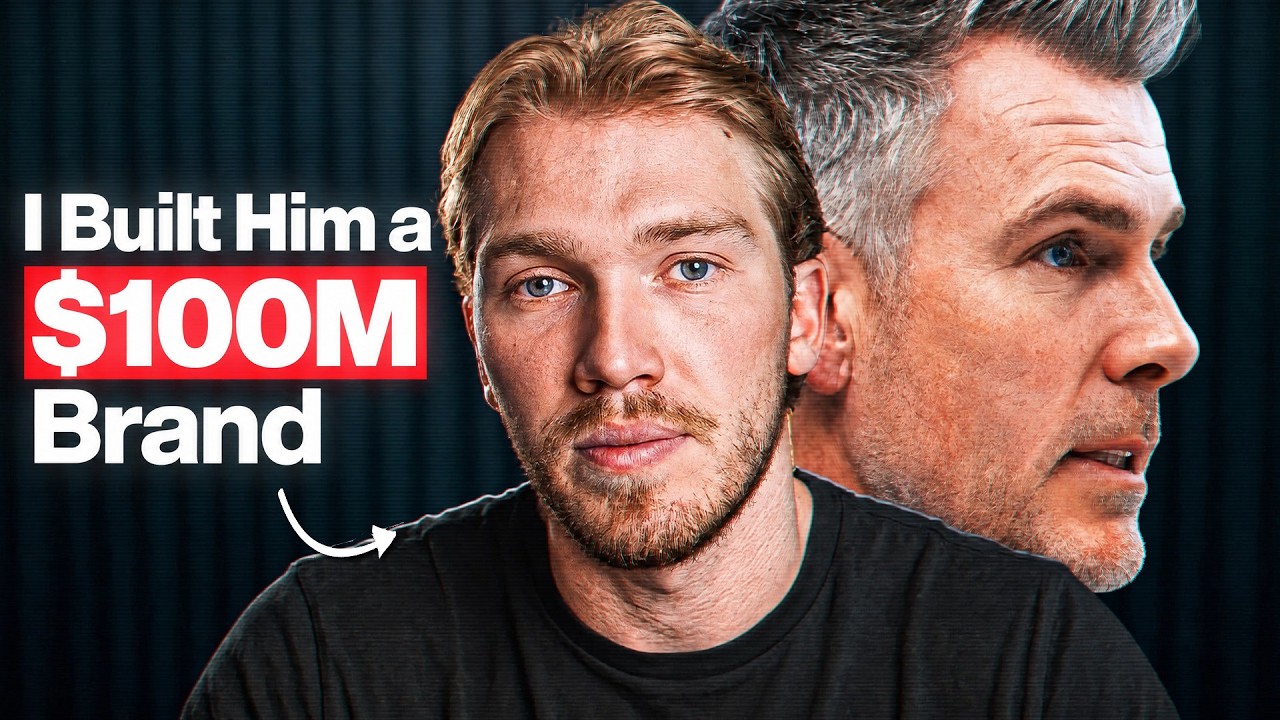
check demand in the YouTube search bar first: Aean Arab and Jake Trinder on Trakyo Pod
Aean Arab's episode: 8 tactics in ~49 minutes (2925s), 3K views on YouTube, per the Podex page; this is tactic 03, Validate Ideas In The YouTube Search Bar. Jake Trinder adds tactic 02 of his episode, Research Your Niche With A Depth First Search.
Arab's agency skips paid keyword tools. on the captions, you take each content pillar and "you just use the YouTube search bar." how: "put yourself in the prospect's shoes and just start typing things into the search bar naturally." then scroll and look at the views on what comes up. "if you see there's traffic and traction for those topics, then you're good to go." if every video on a topic flops, skip it. Trinder, who has a computer science background, takes the same idea further. you go as deep as you can on one search term, open the channels behind the outliers, then step back and take the next term. done right, on his captions, "you're able to effectively explore the entirety of a niche and not miss anything."
the tactic: let viewers tell you what to make. if nobody watches videos on a topic, yours will not change that.
try this week: type five problems your buyer has into the YouTube search bar, exactly as they would say them. note the suggestions and the top videos. mark any video with far more views than its channel has subscribers. those topics go on your list.
write the title and thumbnail before the script: Soowei Goh on Trakyo Pod
8 tactics in ~50 minutes (3009s). 5K views on YouTube, per the Podex page. Goh built a consulting business on YouTube alone. this play is tactic 07, Start With Thumbnail And Title, Then Answer Objections Fast; all 8 are open on the page. some swearing; we only quote clean lines.
Goh's order is backwards on purpose. on the captions: "you have to start with the thumbnail and title before you even do the hook, before you even do the script, before you even have the idea." the question he starts from: "What is a thumbnail and title that your ICP would click on based on their pain points?" (ICP means your ideal customer). YouTube viewers choose: "they're intentionally clicking on your video because of the thumbnail and title." Jordan Welch, on another Trakyo Pod episode, made the same switch. on the captions: "I would create videos and then do the title and thumbnail after the fact. These days I do everything completely backwards." his summary: "the 8020 of YouTube is the packaging and the ideas themselves."
the tactic: package first, then make the video that fits the package. if the title and thumbnail do not work on paper, the video will not save them.
try this week: before you film anything, write five titles and sketch three thumbnails for your next video. show them to two people who fit your viewer and ask which one they would click. film the winner.
Soowei Goh, Trakyo Pod
Start With Thumbnail And Title, Then Answer Objections Fast
Design your thumbnail and title first, then address top objections immediately.
Soowei Goh says
You have to start with the thumbnail and title before even doing the hook, script, or idea. Everything done in pre-production makes up 80% of what actually goes into a video that performs well. You want to give the audience five reasons to actually watch the video within the first 3 seconds. Prospects subconsciously find every reason to click off, and if you don't solve two to three objections as they pop up, they click off the video.
Try this
Design your thumbnail and title first, then script your opening lines to address your viewer's top objection immediately.

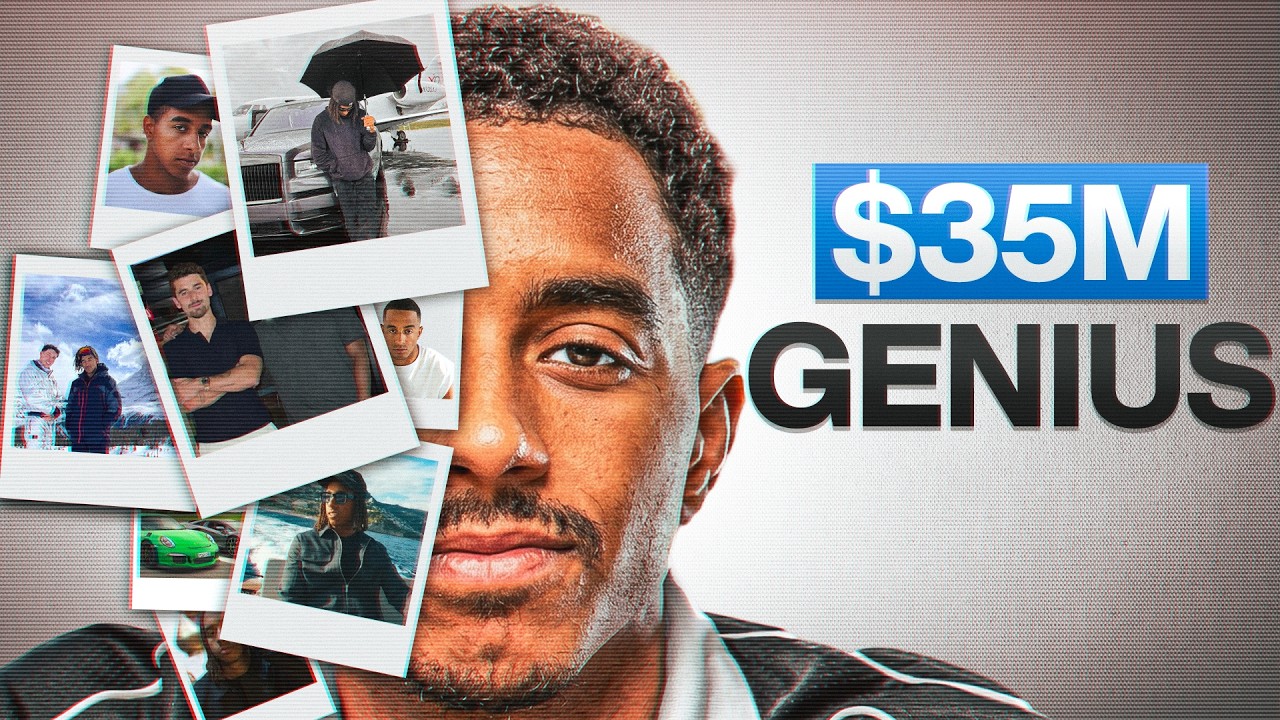
hook with four beats: Jake Trinder on Trakyo Pod
15 tactics in ~145 minutes (8722s). 12K views on YouTube, per the Podex page. Trinder's team works on more than 100 channels, including Gary Vee and Ali Abdaal. this play is tactic 01, Run Every Hook Through The Four P Framework. the episode has some swearing; we only quote clean lines.
after the click, the viewer has questions: is this going to deliver, and is it for me? Trinder answers both in the first seconds. on the captions: "Promise, proof, plan, persona. Four Ps. That's the framework that I use for all hooks." the promise restates what the title said in new words, so they know they clicked the right video. the proof shows why you can be trusted. the plan tells them what is coming. the persona confirms the video is for someone like them. his bigger rule sits behind it: "YouTube first and foremost is 100% a quality game, not a quantity game." Goh's version of the same idea: answer the viewer's top objections in the opening, before they find a reason to leave.
the tactic: script the first 30 seconds as four beats. promise, proof, plan, persona, in that order.
try this week: write the opening of your next video as four sentences, one per P. read it out loud. cut anything that is not one of the four.
Jake Trinder, Trakyo Pod
Run Every Hook Through The Four P Framework
Script every hook as four distinct beats, promise, proof, plan, persona, in that order, closing every objection before moving on.
Jake Trinder says
I use four Ps for every hook: promise, proof, plan, persona. The promise reassures the viewer the video will deliver on what it claimed. The persona beat confirms to the viewer that this video is really for them.
Try this
Structure every hook as promise, then proof, then plan, then persona, in that order.
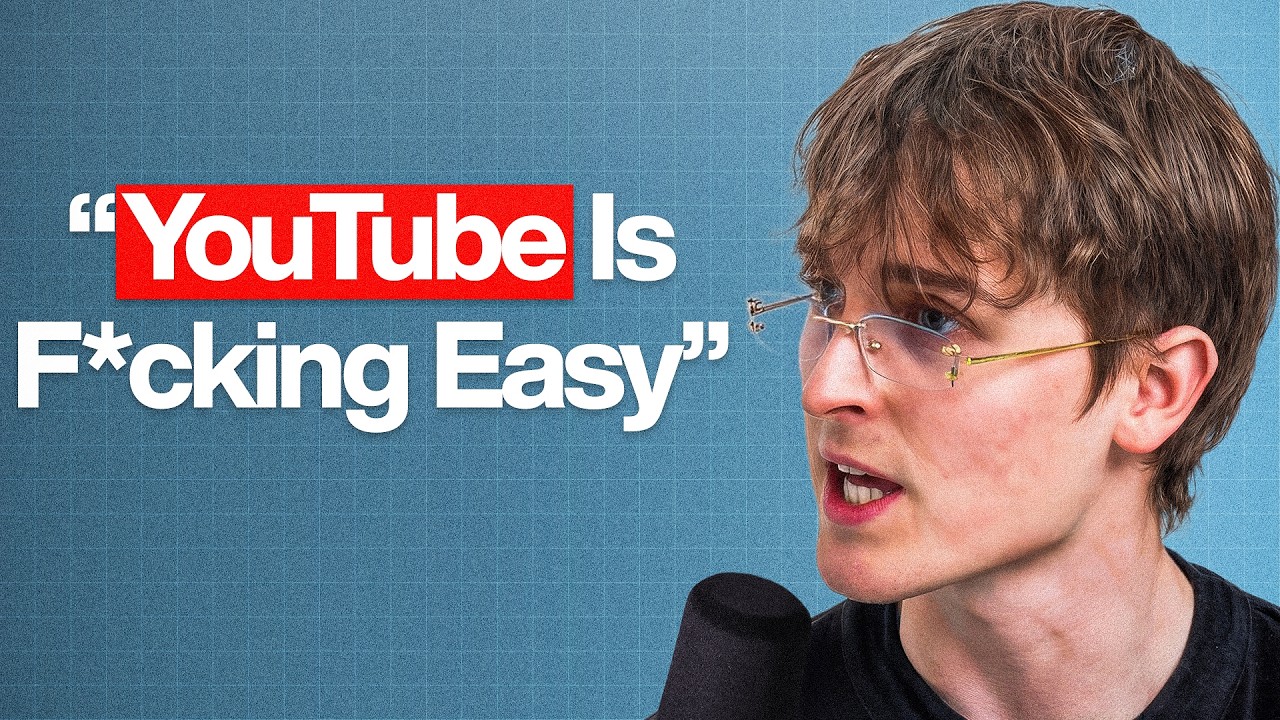
keep the promise, then read the retention graph: Soowei Goh and Jake Trinder on Trakyo Pod
Goh's tactic 04, Deliver On The Promise Every Time (open on his Podex page), plus Trinder's tactic 04, Diagnose A Flop From The Retention Graph, Not The View Count.
Goh's case for over-delivering is about the next video, not this one. on the captions, when you over-deliver "you are training them to constantly click on your videos." his illustration: "If you do a good job, 80 of them come back" out of 100 viewers, and the baseline stacks from there. a weak video trains people the other way. when a video does flop, Trinder looks at the shape of the drop, not one number. mostly, on his captions, "if you look at the retention graph not really the retention percentage." a strong hook followed by a steep slide right after it means the value came too late: "That's a sign of low time to value." a sharp drop at a hard call to action means cut it or soften it next time.
the tactic: deliver in full, then let the graph tell you where you broke the promise. views say what happened. the retention graph says why.
try this week: open the retention graph of your last three videos. mark the steepest drop in each and write down what was on screen at that second. fix that pattern in the next video.
Soowei Goh, Trakyo Pod
Deliver On The Promise Every Time
Make sure your next video fully delivers on what it promises.
Soowei Goh says
Putting out mediocre content that doesn't meet expectations trains the viewer to scroll past your videos. Overdelivering on videos or reels trains viewers to constantly click on your content. If you do a good job with 100 views, 80 of them come back.
Try this
Before publishing your next video, check it actually delivers fully on what the title and thumbnail promise.
build a funnel of videos and count booked calls: Aean Arab and Soowei Goh on Trakyo Pod
Arab's tactic 01, Build A Video Ecosystem, Not One-Off Videos, plus Goh's tactic 08, Track Which Videos Book Calls, Then Double Down (open on his Podex page). best for channels that sell a product or service.
Arab's first rule, on the captions: "YouTube is an ecosystem of videos." one video rarely sells: "before somebody converts, they're typically watching like four or five videos or more before they make a buying decision." his channels mix searchable top-of-funnel videos, deeper videos further down, and one free course video, all built to last: "Think of each video as like a property that you're just collecting rent from." Goh measures the result by sales. on his captions: "the videos that I do that get the least amount of views and the least amount of likes are always the ones that actually get me the most amount of sales." he also says "The leads from YouTube, 85% of them pay in full. On Instagram, 54%." (his own business, not a benchmark).
the tactic: plan the next click and track the sale. a video is a step in a funnel, not a lottery ticket.
try this week: add one question to your booking form or checkout: which video brought you here? list your last ten videos and write down where each one should send a viewer next. link the next video at the end, not a request to subscribe.
Aean Arab, Trakyo Pod
Build A Video Ecosystem, Not One-Off Videos
Plan each video to lead viewers into the next one in the funnel.
Aean Arab says
YouTube is an ecosystem of videos, not something to think about video to video, because each video leads into the next. Before someone converts, they are usually watching four or five videos or more. About half the content is top of funnel searchable action based videos. Every channel also has a signature free course video.
Try this
Map out how your last few videos connect into a funnel and plan the next video to lead viewers toward another video or offer.

a one-week plan to grow your youtube channel
pick by problem
you keep buying gear and views stay flat: Sam.
the play: pick a contrarian take in your niche and shoot it on your phone first.
you never know what to make next: Aean Arab.
the play: type buyer problems into the YouTube search bar and only make topics that already get views.
your videos are good but nobody clicks: Soowei Goh.
the play: write the title and thumbnail before the script, and test them on two real viewers.
people click, then leave in seconds: Jake Trinder.
the play: open with promise, proof, plan and persona, and cut everything else from the first 30 seconds.
a video flopped and you do not know why: Jake Trinder.
the play: find the steepest drop in the retention graph and fix what was on screen at that moment.
you get views but no customers: Soowei Goh.
the play: ask every buyer which video brought them in, and make more of those.
what this is not
every page above has more plays behind the free one: Trinder's do not test thumbnails on a small channel, the call to action as a gift, Arab's never end with like and subscribe, Sam's Avengers of personalities. tactics, not takeaways.
one summary, every tuesday.
the tactics that matter, each with a step to run. unsubscribe anytime.
FAQ
How do I grow a YouTube channel from scratch with zero subscribers?
Start with topics that already get views. Aean Arab types his buyer's problems into the YouTube search bar and only makes videos where similar ones get traction. Sam's advice for zero followers is a contrarian take in your niche, shot on your phone if needed.
Do I need expensive gear to grow on YouTube?
Not according to these episodes. Sam ranks topic above editing, camera gear and lighting, and his first video over 100K views made exactly that point. Soowei Goh says pre-production, mainly the title and thumbnail, does most of the work.
How often should I post on YouTube?
Jake Trinder calls YouTube a quality game, not a quantity game: one well-researched, well-packaged video beats many random ones. Pick a pace that lets you research the topic, write the title and thumbnail first, and script the hook.
What should a YouTube hook include?
Jake Trinder's four Ps: a promise that restates the title, proof you can deliver it, a plan for what is coming, and a persona line that tells the viewer the video is for them. Soowei Goh adds: answer the top objections in the first seconds.
How do I know why a YouTube video flopped?
Read the retention graph, not just the view count. Jake Trinder looks for where the curve drops: a steep slide right after the hook means the value came too late, and a drop at a hard call to action means that part needs to go.
How do I use YouTube to get customers for my business?
Plan videos that lead into each other and track sales, not views. Aean Arab says buyers often watch four or five videos first, and Soowei Goh tracks which videos book calls. For more first-customer plays, see our post on how to get your first customers.
What are the best podcast episodes about growing a YouTube channel?
On Trakyo Pod: Meet The Genius Kid Who Solved YouTube with Jake Trinder, Aean Arab on running a YouTube agency, Soowei Goh on building a business on YouTube, and Sam on building Dan Martell's personal brand. Jordan Welch's episode adds title-first packaging.