Back to Catalog
MODERN WISDOM · EXTRACTED

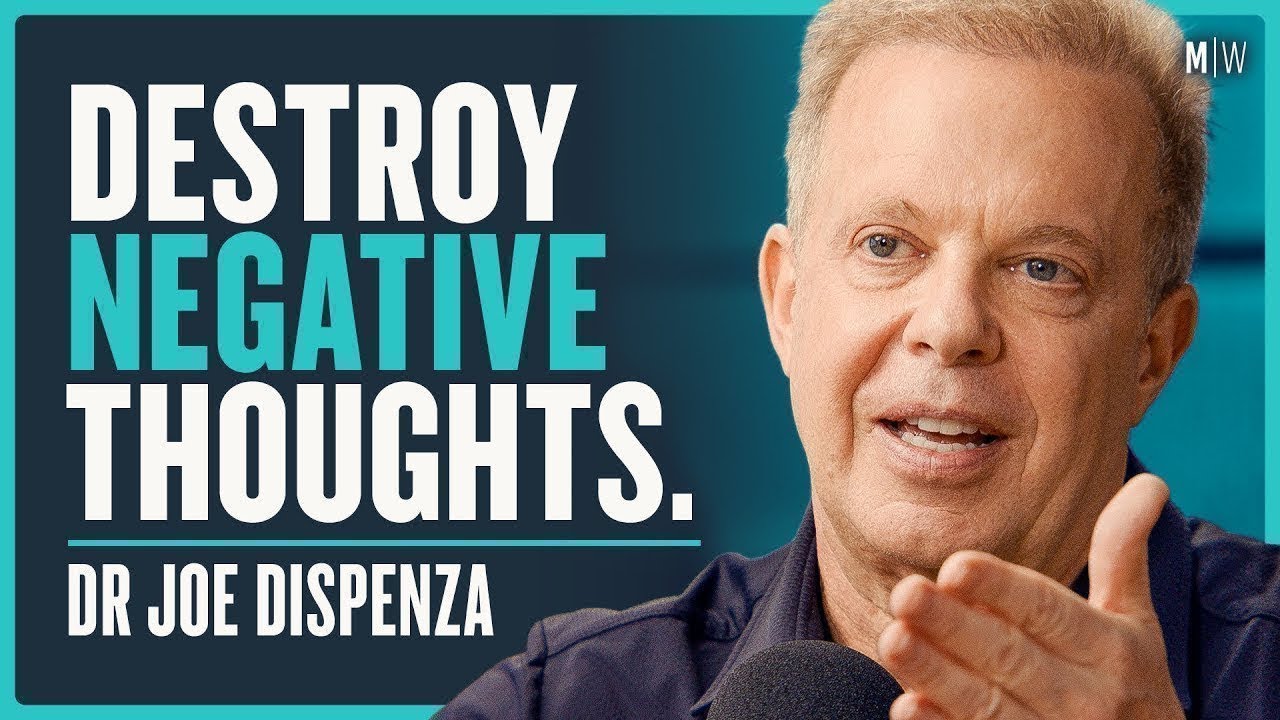
Modern Wisdom ft. Dr Joe Dispenza

Becoming aware of your unconscious self, breaking the addiction to your own emotions, and why the body has to be taught the future before it arrives.

3.3M views on YouTubePreview, 1 of 7 tactics free

With Joe Dispenza

"How many times do we have to forget until we stop forgetting and start remembering. That's the moment of change." — Dr Joe Dispenza
Joe Dispenza, on the episode

This is a long conversation between Chris Williamson and Joe Dispenza, recorded around Dispenza's ongoing research collaboration with the University of California San Diego. The pop framing of Dispenza is mystical, retreat-circuit, woo-adjacent. The actual operating system underneath is more clinical: a model where 95% of behaviour by midlife is unconscious programming, where emotions function as chemical addictions you have to break, and where change requires teaching the body the future before the future arrives. This playbook pulls the operationally useful pieces from that model.

Tactic 01

Become Conscious Of Your Unconscious Self

Dispenza's central claim is quantitative. By the middle of your life, roughly 95% of who you are is an unconscious set of thoughts, behaviours, and emotions running on autopilot. The remaining 5% — the conscious mind that sets New Year's resolutions and reads books — is trying to override the 95%. The 5% loses every time, because the 95% is doing the actual driving. The first step of change isn't positive thinking. It's catching the unconscious thoughts in real time. "Start tomorrow, it's too hard, just do it anyway, you're not good enough, you'll never change, you're too much like your parents, I failed last time." These run constantly in the background, and most people experience them as truth rather than as recordings. The work is to become so conscious of those unconscious thoughts that you would never go unconscious to them again. Same with behaviours — if you want to be happy and you spend your day blaming, complaining, and feeling sorry for yourself, the behaviour produces the opposite of the stated goal. The goal isn't to change the behaviour first. It's to notice the behaviour first. The change follows from the noticing.

The play
For one full day, run a single-question audit on yourself. Each time you notice an automatic thought, behaviour, or emotion, ask: "Is this me, or is this the program?" Don't try to fix anything yet. Just count how many times the question turns up something automatic. By the end of the day you'll have a rough map of which parts of your life are running themselves. That map is the precondition for changing any of it.
Tactic 02

Break The Addiction To Your Own Emotions

Tactic 03

Cross The River From Old Self To New Self

Tactic 04

Master The Present Moment As The Only Place The Unknown Lives

Tactic 05

Teach The Body The Future Before It Arrives

Tactic 06

Use Gratitude As The Receiving State

Tactic 07

Self-Regulate In The Conditions That Produced The Dysregulation

Subscribers only
Unlock the full summary
6 more tactics, the full action plan, and every new summary the day it drops.

From $19.99/mo, cancel anytime.

MODERN WISDOM, extracted by Podex